The Three Rivers Had A Fourth Current: Cash
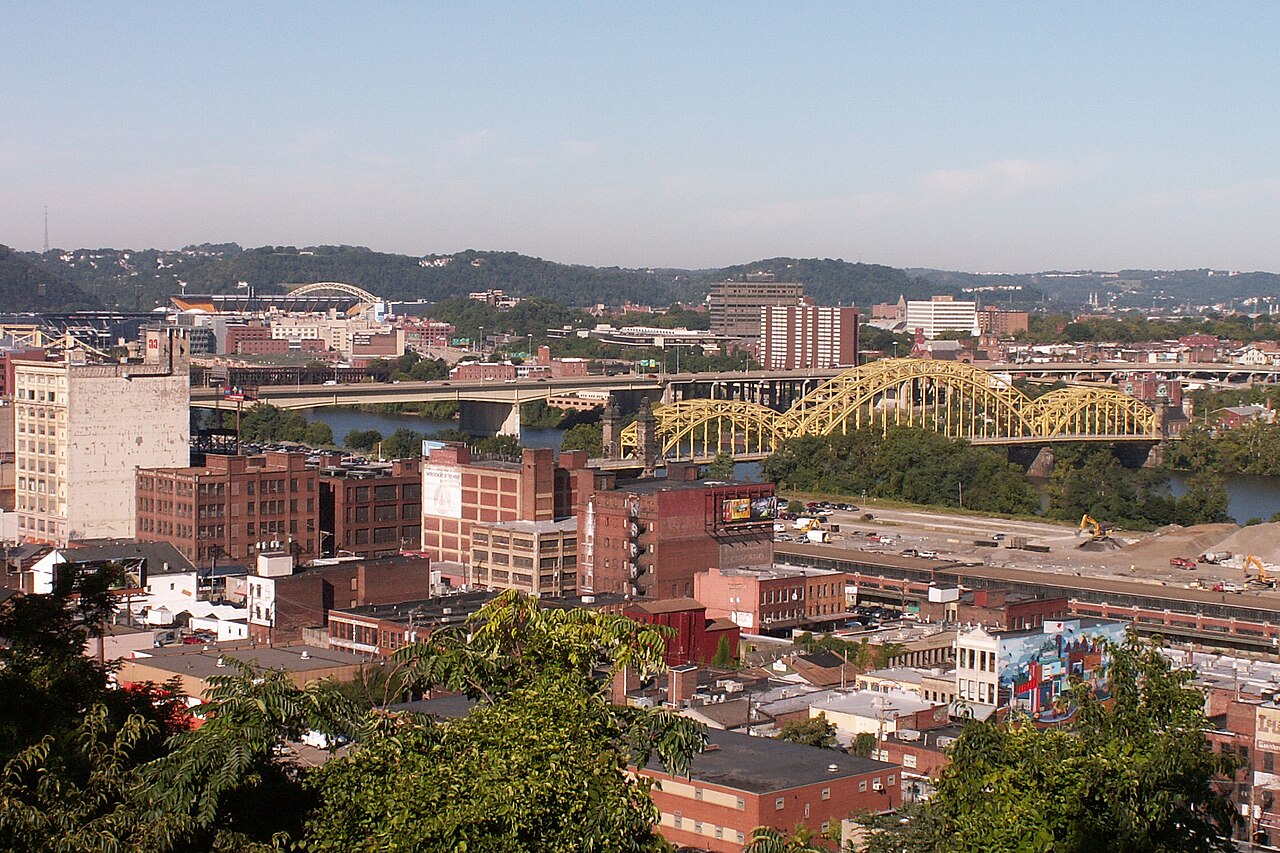
Pittsburgh’s official maps show three rivers, but the city’s older power structure moved along a fourth current: cash that rarely appeared in ledgers. It passed through mill offices, ward clubs.

Pittsburgh’s official maps show three rivers, but the city’s older power structure moved along a fourth current: cash that rarely appeared in ledgers. It passed through mill offices, ward clubs.

The poker machine did not have to spit out coins to become a gambling device. In Pittsburgh-area taverns, the payout could happen at the cash register.

Three digits could be a birthday, an address, a dream, a death notice, or the last numbers on a paycheck. In Pittsburgh’s numbers economy, ordinary information became a private language of hope.

The government did not defeat the numbers game by persuading Pittsburgh to stop gambling. It built a legal competitor with statewide distribution, official drawings, advertising.

In Pittsburgh’s underworld folklore, every corner booth hides a meeting and every red-sauce restaurant has a secret history. Most of those stories cannot be proven.

After the mills released a shift and Downtown offices went dark, Route 51 became a ribbon of headlights leading south from Pittsburgh.

A private club could hide in a building that looked closed. The entrance might be unmarked, the windows covered.

Corruption survives by making knowledge expensive. The employee who notices a false invoice, a rigged specification, a missing payment.

A sealed bid can create the appearance of competition even when the winner is already known.

Before voter databases and campaign apps, political intelligence lived in notebooks, kitchens, saloons, union halls, and the memory of a precinct captain. The captain knew who had moved.

City Hall corruption is often imagined as a single payoff. The larger danger is a payment system in which every office knows its price and every participant understands what silence is worth.

Illegal gambling cannot operate openly for long unless enforcement fails, is avoided, or is purchased. Pittsburgh’s record contains examples of all three, and the differences matter.

Before it became Pittsburgh’s North Side, the area across the Allegheny River was an independent city. Allegheny City had its own government, industries, neighborhoods, churches, wealth, poverty.

Pittsburgh’s vice districts did not exist outside respectable property markets. Brothels, saloons, lodging houses, theaters, churches, factories, and family homes could occupy the same few blocks.

Anthony “Tony” Grosso became Pittsburgh’s most famous numbers banker because his operation reached a scale that attracted decades of police, court, press, and FBI attention. His legend, however.

David L. Lawrence did not destroy machine politics. He modernized what political organization could accomplish. Lawrence rose through Democratic Party leadership, became mayor in 1946.

Pittsburgh politics has always rewarded performance. A council member who could command a room, insult an opponent, produce a headline.

Rocco “Roxie Long” DiPippa lived twice: once in police and court records, and again in newspapers that turned him into a recurring character. Accounts describe a career that included theft.

Illegal markets do not simply replace one another. They collide, share infrastructure, compete for protection, and change the level of violence a neighborhood experiences.

Corruption stories usually follow the money upward. This chapter follows the cost downward. A protected gambling room can increase traffic, debt.

Pittsburgh repeatedly announced that corruption had finally been exposed. Grand juries convened, raids filled front pages, officials promised clean government.

No single organization owned Pittsburgh. The city was governed through competition among institutions powerful enough to control different parts of life. Industrial corporations controlled capital.